This was originally posted on my Facebook on July 8th, 2025
Alright, now that we’ve acknowledged the realities of passing of the Trump administration’s Big Beautiful Bill, let’s talk about our role in what comes next with the realities at play.
While the “Big Beautiful Bill” doesn’t outright target rural communities, we know that rural people are far more likely to rely on Medicaid and SNAP. We also know that rural healthcare providers and hospitals are already struggling. Rural communities already have fewer primary care providers, fewer specialists, and fewer hospitals.
And, where they do have hospitals, they often do not have the variety of services urban and suburban hospitals have available. This is particularly true for neo-natal care and labor and delivery.
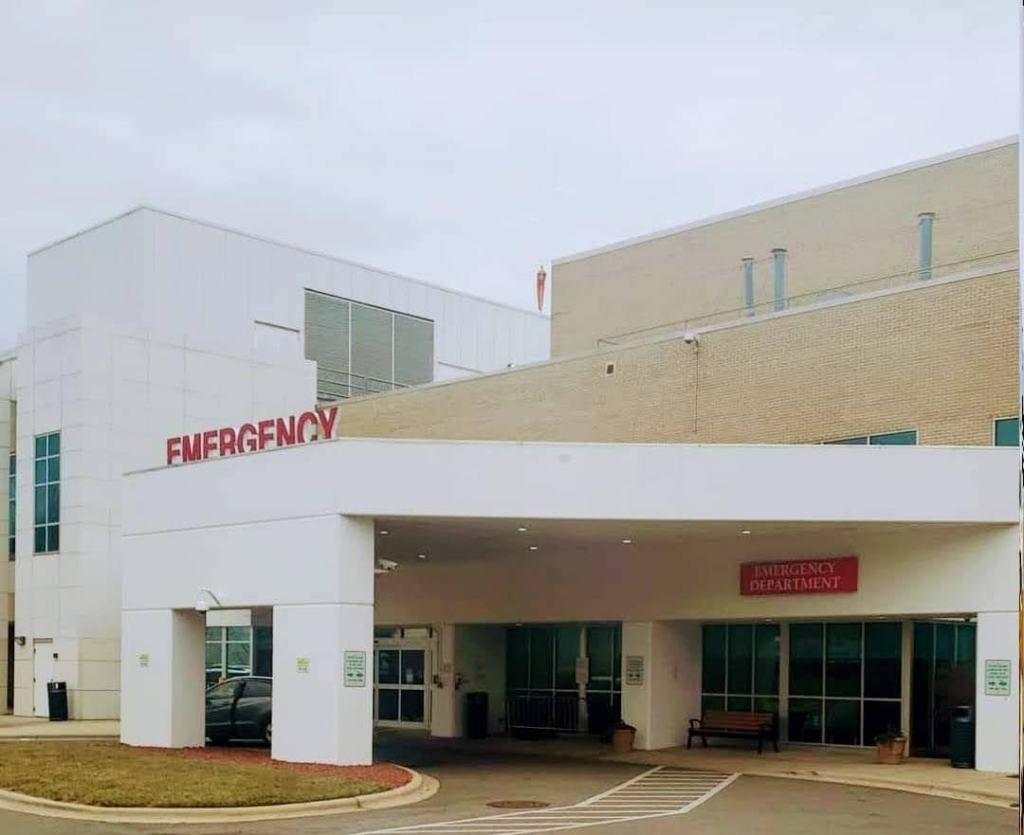
The passing of this bill will put further strain on these providers, increasing service line and staffing cuts. This means longer wait times at Emergency Departments and and for acute care. It also means not being able to get into you primary care provider or specialist for even longer.
But I also know, most of you know all of this. What I don’t think we are thinking about is the closure of hospitals and doctors offices and how that impacts the spirit of a community. Schools, churches, and hospitals are core anchor institutions in a community. Formerly this was large legacy manufacturers, but these are far less significant now due to the changes in manufacturing and the relationships between plants and towns. The closing of a hospital or doctor’s office (alongside a school or church) leads to a sense of hauntedness in rural spaces. This particularly means, there is a sense of “we had a future at one time,” and now it has been taken from us. My whole dissertation was about this. Hauntedness causes stagnation in places.
While, it is not inevitable, the reality is, change has already been coming and now it is coming faster. It is up to the communities to take hold of their heritage, culture, and faith to continue to live into the hope of rural spaces. This means churches and other hope-building groups need to step up, and instead of preaching judgement, otherworldly apathy, or pop-theology, they need to do the thing Jesus did, and offer an identity outside of what greater society offers. This means, helping people root their identity not in the plant, hospital, or other lost reality, but in the potential for who we are becoming.
Clergy and laity in churches, if empowered, can, even if small, offer hope in word, action, and presence. But it takes commitment of time, money, and most importantly faith. I don’t know if your church can bring back a hospital, but it can offer a Nurse Practitioner or Mental Health worker a space to set up shop. Your church can drive folks to their appointments in the city, watch their kids while they go, or help gather resources in other ways. Your church can preach and teach of the hope that is still in the community, and how we can grab that hope and use it to build the next iteration of our community.
This will take time. We need to lament. We need to imagine. We need to create. And we need to do it over and over. The news cycles and social media will try to pull our attention away from cultivating to consuming, but we can hold one another accountable.
The reality is, I don’t know what the next four years are going to look like, but we get to decide how we respond to it. What we can’t let happen is a stagnation that leads to decay. We can call on God to stir up the waters again, and instead of stagnation, we receive the water of life, once again.

 Jonathan LeMaster-Smith
Leave a comment