-
Eight Minute Methodist | Grace Isn’t Floppy
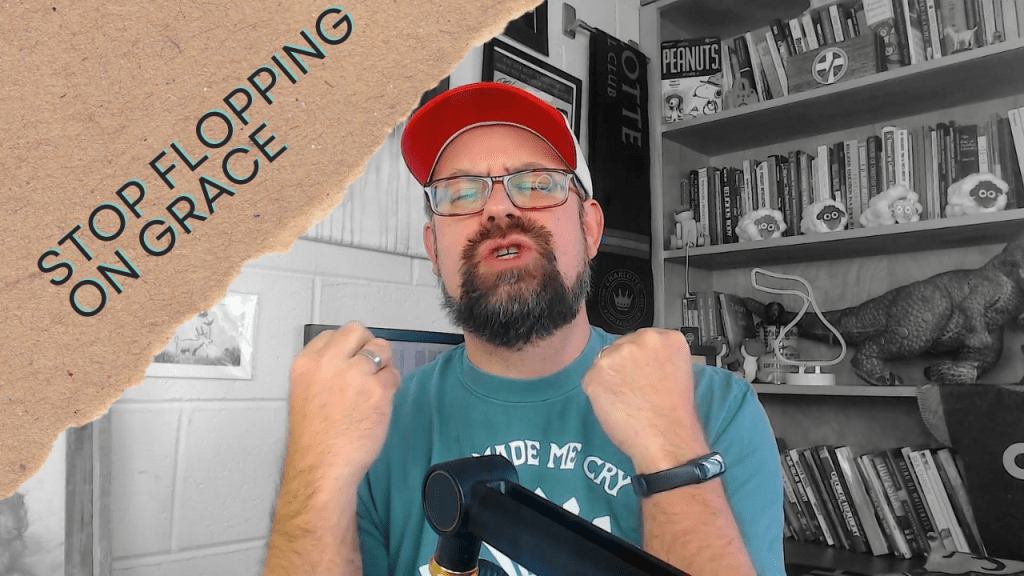
Hey Y’all!
I’ve started posting on my YouTube Channel Again. Here’s a Link. -
Ash Wednesday -2026
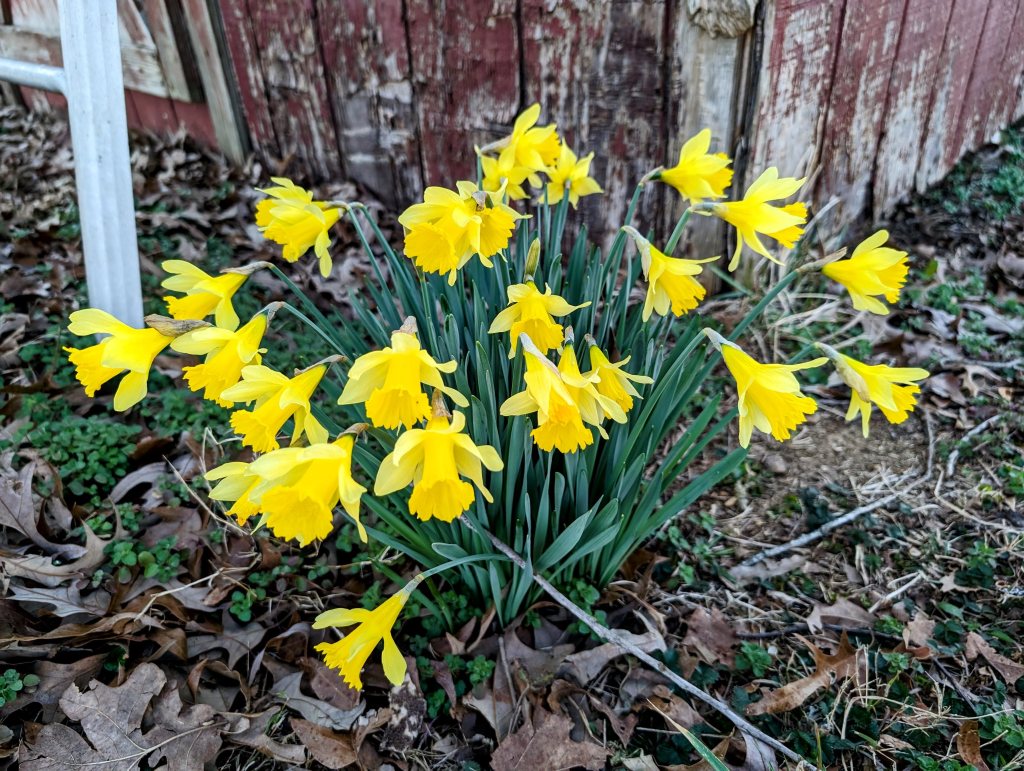
I saw my first daffodils of spring today. They were growing unassumingly on the side of Cat Square Road. I don’t know if someone planted them there on purpose, but there they were, pops of yellow in the gray brown.
I’m glad it was Ash Wednesday when I saw them.
As much as we lean into the mortality and sacrifice of Lent, it is a season about growth, about community, and about healing. For rural communities, this may be more helpful that the watered down fasts the folks so often follow. Fasts that get broken or stripped of meaning just to say “we’re doing it.”
Lent is the reminder that in the midst of the cold and death, hope irrupts. In the isolation of what feels like such a lonely world, community can gather. In the violence, pain, and grief of a world that seems to only want to take, manipulate, or violate, healing can emerge.
May we be reminded, that Christianity offers hope through its power to transform sin into beauty, and suffering into joy.
May Lent be a time to meditate on this.
-
Re: Pastors and Churches Endorsing Candidates
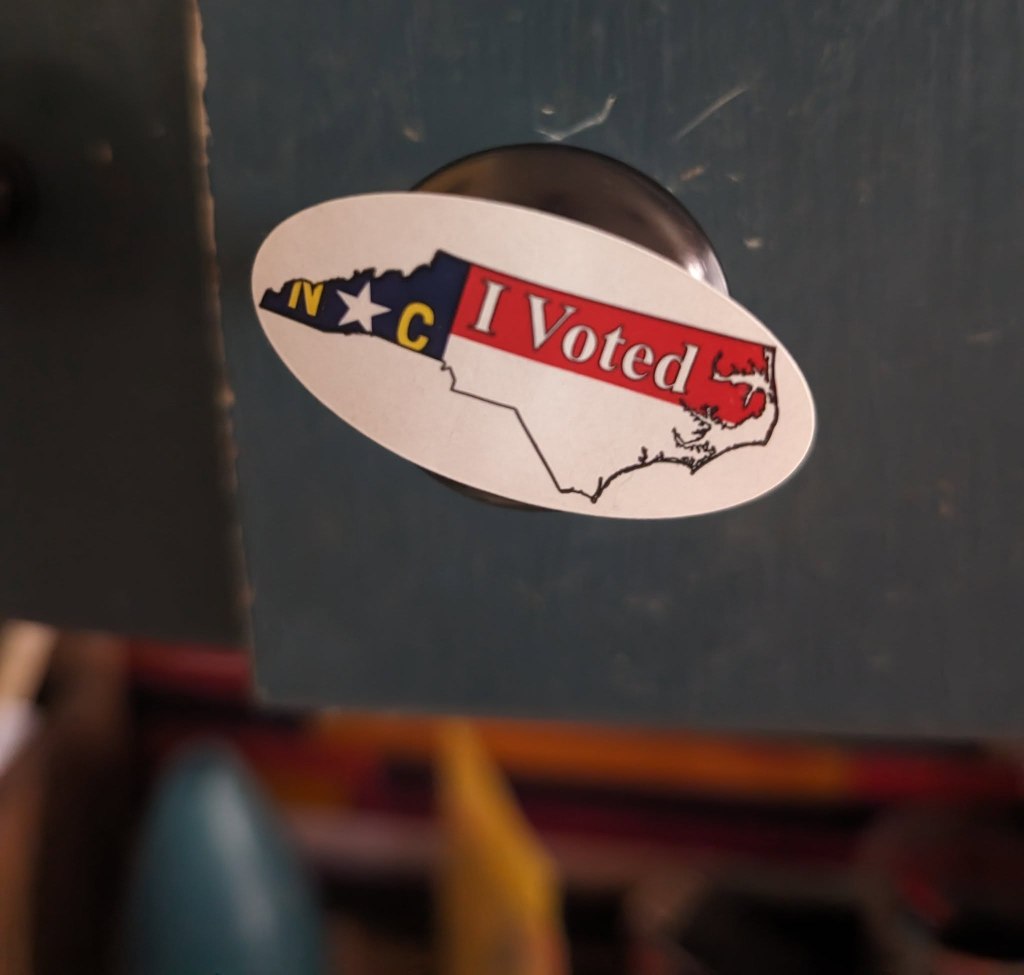
Posted same day on my Facebook Page
I will speak briefly on the ability for houses of worship/religious leaders to now endorse candidates and move on.
According to the report, when a house of worship “in good faith speaks to its congregation, through its customary channels of communication on matters of faith in connection with religious services, concerning electoral politics viewed through the lens of religious faith” it neither participates nor intervenes in a political campaign. (NPR)
As for me, I am not going to be part of a congregation or religious group that expects me to vote based on what the leadership or the pastor insists upon. Nor am I going to be part of a group that expects me as a religious leader to compel folks to vote in one way or the other. But there are other traditions that expect this. According to the same article (NPR) only one church has ever lost its tax exemption even though many churches have outright promoted various candidates or causes (especially during the last 20 years of election cycles).
My tradition teaches churches and members to be intellectually and faithfully involved in the political world. Regarding political involvement, the UMC Social Principles read:
“Our involvement in political systems is rooted in the Gospel imperative to love our neighbors, to do justice, and to care for the vulnerable. As United Methodists, we acknowledge that love requires responsible political action and engagement aimed at the betterment of society and the promotion of the common good. We acknowledge that such political engagement demands humility and mindfulness of our own complicity in perpetuating injustice. It also necessitates compassion, prayer, and a willingness to discern God’s guidance.”
I preach politically, I teach politically, I post politically, but I am never going to coerce folks to vote or act in a certain way. Alongside this, I also preach, teach, and post pastorally, educationally, and in many other forms concurrently. I would think my churches (current and previous) would be very resistant and even hostile to me telling them how they must vote on matters of politics. But I am part of a tradition that promotes education, intellectual independence, and holy conferencing (respectful and faithful discussion). Other traditions are far more about compliance and conformity. These groups have already been preaching and teaching how to vote in many covert and overt ways already.
In the end, this change should actually free most pastors to feel more free to preach prophetically and openly based on their faith and passion without fear of governmental retribution (theoretically, as we are in a rapidly changing political landscape). This however, this does not impact how the local church or denominational governing bodies respond, and as I note earlier, I don’t know that my folks would respond well to me telling them how they should vote. Most pastors are beholden to paychecks and local governing bodies, not fear of government retribution. -
July 9th, 2025 – On Food Insecurity in Rural Places

This post was originally published on my Facebook on July 9th, 2025
Now, a word on cuts in food assistance.
One thing we need to be reminded of when we talk about food insecurity in rural spaces is that rural does not equal agrarian. The assumption that all rural people can or know how to farm is an idyllic misrepresentation of rural life that are often intentional uses of the “appeal to the stone fallacy” and “wishful thinking” logical fallacies.
Images of rural life that paint pictures that are either total despair or total pastoral paradise are not helpful (and often intentionally neutering of the realities at play). Yes, I can grown food, many in my community can, but not all rural people know how, nor does everyone have the land, knowledge, or ability to grow food. Same with hunting, fishing, and foraging.
The next argument of “they grow the food there,” can’t they just go the farm and get it (or work for it) is not helpful. Farmers and ranchers usually have contracts with corporations. They are not allowed to just give their produce away. I have read articles and talked with farmers about how they were instructed to plow under fields of greens or pour out thousands of gallons of milk by their buyers. If they were to give this food away, they may be in violation of contract and not only lose money but be sued by their contractual buyer.
Nor should we get into a “will work for food” model out of desperation. Again, a bad reading of 2nd Timothy is not helpful. And yes, I would love a society were food was truly free, but until we get there, the government taking food services away from the most vulnerable is dangerous.
And yes, churches can and should help, non-profits can and should help, but as many folks remind us, these entities are already stretched thin (and part of their funding often comes from these federal funds – yes some churches receive federal funding for this). This is further strained by the reality of compassion fatigue from a new crisis every news cycle.
Another myth is the lazy person living off the government. This is rarely the case. There average person receiving food assistance looks more like a single parent who works multiple jobs, an elderly person receiving meals on wheels, or a disabled person who struggles with mobility.
In this midst of this, we need a reimagining of food and resource distribution from a melding of rural, historic, and biblical models of connection that are realistic. The idea of Jubilee, even in biblical times, was not a magical solution, and making do on known land and sea takes a relentless endurance is going to look more like a wilderness journey than a promised land ideal.
I know that I am likely to get good intentioned anecdotes on this post that accidently become “cherry-picking” and “magic bullet” fallacy tools that want to be helpful but become an opiate that assuages our anxieties. Examples as just that, examples, are nice and welcome. But none of us have the power to fix everything with a folk tale.
Hope, as I see it, requires an aggressive endurance that can overcome false happy endings and an immediate eschatology, knowing that new seasons follow the present realities, and that we can not just “get by” or “make do” but find ways to thrive in each new season based on our faith, culture, and heritage.
-
July 8th, 2025 – Healthcare and Hope
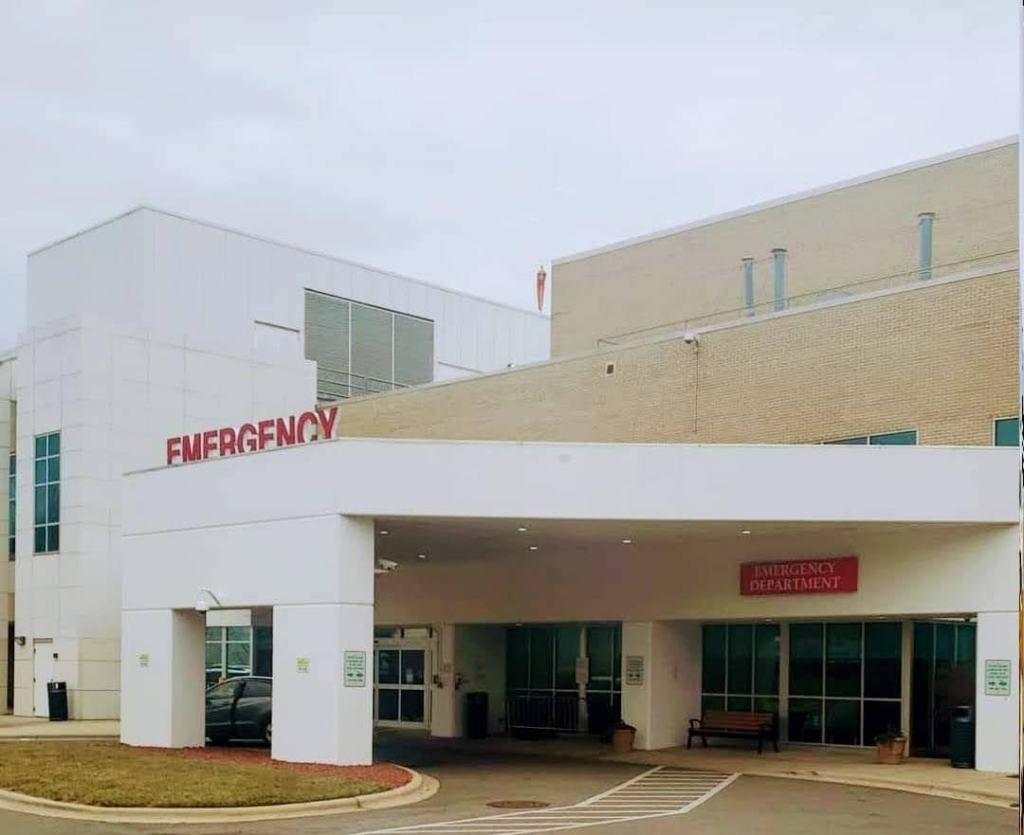
This was originally posted on my Facebook on July 8th, 2025
Alright, now that we’ve acknowledged the realities of passing of the Trump administration’s Big Beautiful Bill, let’s talk about our role in what comes next with the realities at play.
While the “Big Beautiful Bill” doesn’t outright target rural communities, we know that rural people are far more likely to rely on Medicaid and SNAP. We also know that rural healthcare providers and hospitals are already struggling. Rural communities already have fewer primary care providers, fewer specialists, and fewer hospitals.
And, where they do have hospitals, they often do not have the variety of services urban and suburban hospitals have available. This is particularly true for neo-natal care and labor and delivery.
The passing of this bill will put further strain on these providers, increasing service line and staffing cuts. This means longer wait times at Emergency Departments and and for acute care. It also means not being able to get into you primary care provider or specialist for even longer.
But I also know, most of you know all of this. What I don’t think we are thinking about is the closure of hospitals and doctors offices and how that impacts the spirit of a community. Schools, churches, and hospitals are core anchor institutions in a community. Formerly this was large legacy manufacturers, but these are far less significant now due to the changes in manufacturing and the relationships between plants and towns. The closing of a hospital or doctor’s office (alongside a school or church) leads to a sense of hauntedness in rural spaces. This particularly means, there is a sense of “we had a future at one time,” and now it has been taken from us. My whole dissertation was about this. Hauntedness causes stagnation in places.
While, it is not inevitable, the reality is, change has already been coming and now it is coming faster. It is up to the communities to take hold of their heritage, culture, and faith to continue to live into the hope of rural spaces. This means churches and other hope-building groups need to step up, and instead of preaching judgement, otherworldly apathy, or pop-theology, they need to do the thing Jesus did, and offer an identity outside of what greater society offers. This means, helping people root their identity not in the plant, hospital, or other lost reality, but in the potential for who we are becoming.
Clergy and laity in churches, if empowered, can, even if small, offer hope in word, action, and presence. But it takes commitment of time, money, and most importantly faith. I don’t know if your church can bring back a hospital, but it can offer a Nurse Practitioner or Mental Health worker a space to set up shop. Your church can drive folks to their appointments in the city, watch their kids while they go, or help gather resources in other ways. Your church can preach and teach of the hope that is still in the community, and how we can grab that hope and use it to build the next iteration of our community.This will take time. We need to lament. We need to imagine. We need to create. And we need to do it over and over. The news cycles and social media will try to pull our attention away from cultivating to consuming, but we can hold one another accountable.
The reality is, I don’t know what the next four years are going to look like, but we get to decide how we respond to it. What we can’t let happen is a stagnation that leads to decay. We can call on God to stir up the waters again, and instead of stagnation, we receive the water of life, once again. -
Preaching on Sunday July 6th, 2025
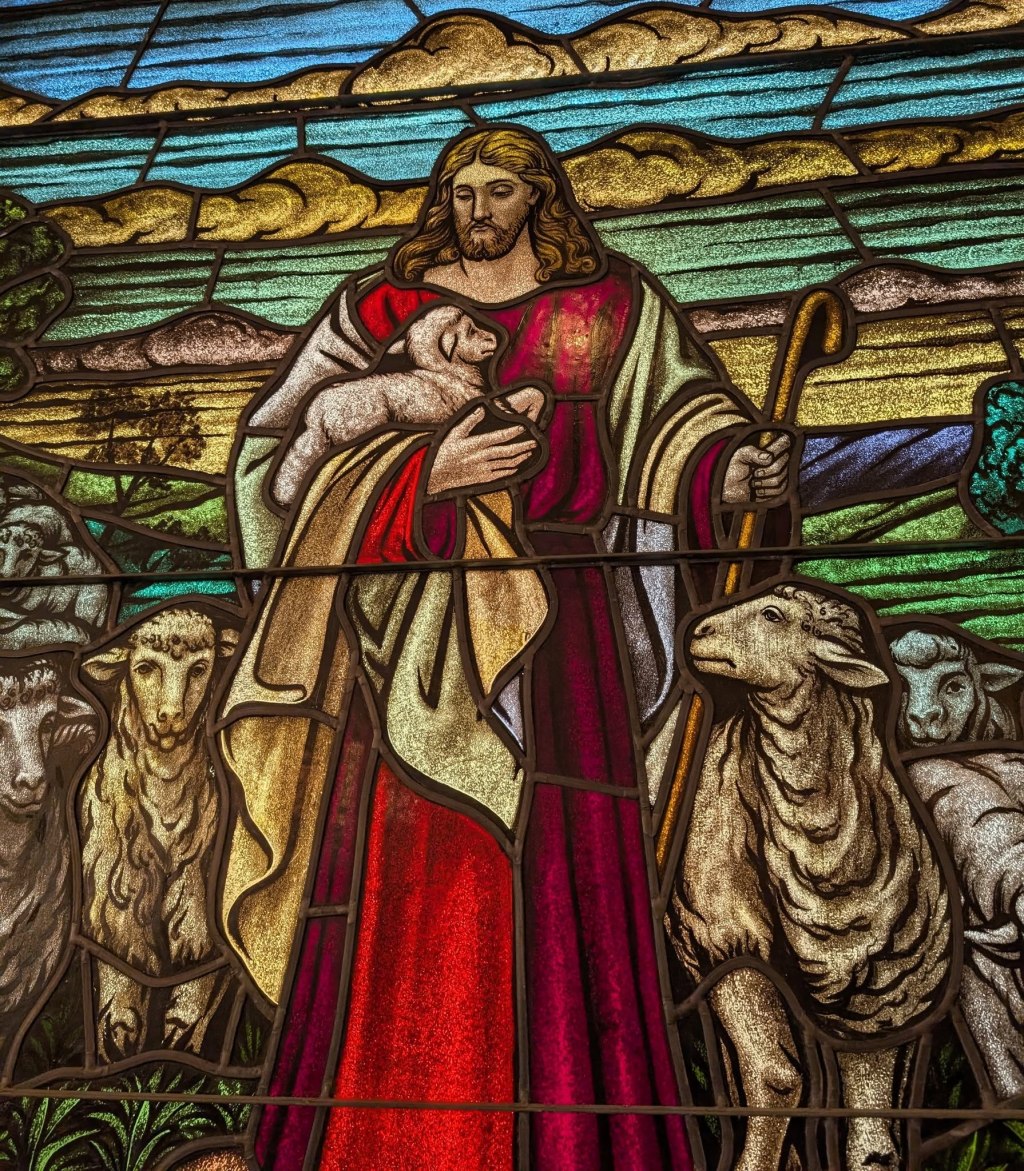
This post was originally posted on my Facebook the Sunday Donald Trump signed the One Big Beautiful Bill into law.
I’m not preaching today, I’m off until tomorrow. But if I were leading worship, I would do three things, regardless of what I had planned.
First, I would speak to the continuous natural disasters (Texas being the most recent) the feeling of hopelessness, and how we can respond to it, and how we shouldn’t.
Second, I would offer space for prayers of lament, testimony, and anxieties around the things we see in the world (My churches regularly have people stand up and testify, and we are smaller communities) and for people to name where they see hope as well (I would point toward the UMC and GMC in Texas partnering to make sure cleaning buckets and resources get where they need to be, and saying take cleaning kits to any Methodist Church and that it will get where it needs to be).
Third, I would preach from the lectionary today, Isaiah and Luke specifically. They work well. Isaiah is speaking to God comforting God’s people as a mother comforts her child. Life is heavy right now. We need to acknowledge this. I might even play Shannon Milea’s song “Weary,” with the lyrics:
“Lately every day brings a new struggle
piling on to yesterday’s mess.
It all seems so heavy
for any one to carry…”Luke then speaks to Jesus sending the 72 out into the world to spread the gospel. He particularly says he sends the disciples out like lambs among wolves. And that we are all sent out differently. Not all are called to protest, not all are called to do disaster relief, not all are called to work in the soup kitchen, not all are called to write policy changes, but all are called and sent.
We need both images of God. We need a God that comforts and that empowers. If you’re like me, you have a sundry of opinions on the current political realities and even on how to respond to disasters in your congregations. But we can all agree that we can root ourselves in the teaching of Christ and the possibilities of God’s Kingdom.
I might even end with the close with us singing the portion of the Shannon Milea song above she adapted from St Patrick:
“Peace be with you.
Grace before you.
Love within you light the way.
Ground beneath you, sky above you:
all creation joins to say…Come to me, all who are weary.”
-
On the Passing of “One Big Beautiful Bill”

This was originally published on Facebook July 3, 2025. The day the bill passed the House.
We are doing the very thing the prophets warned us against and failing to heed the warning of Christ’s prophecy of the “sheep and the goats.”This is sin.
The pedestal of the statue of Liberty has a plaque that has the sonnet “The New Colossus” by Emma Lazarus on it.
The closing section reads:
Give me your tired, your poor,
Your huddled masses yearning to breathe free,
The wretched refuse of your teeming shore.
Send these, the homeless, tempest-tost to me,
I lift my lamp beside the golden door!”
With the passing of the *Big Beautiful Bill* this signals that the light of the statue may be going out.
As a nation we are about to see what happens when we begin the systematic dismantling of caring for, as scripture says, “the least of these”.I don’t doubt this is the beginning of the cuts. Congress has dealt a mighty blow to Medicaid, SNAP, and the Affordable Care Act. My fear is that more are on the horizon with no actual savings for the government.
We will see more need than we have seen in generations, and we will see whether we as a nation can sustain this. The churches (and other religious groups) and nonprofits, which are already struggling to care for the community are going to be strained further. Rural communities, particularly, will face even more hardships. There is a hope and relentlessness in rural communities, and I don’t doubt they will survive, but I fear that we don’t truly know the cost of any of this yet.
I leave you with a few verses from the first chapter of the prophet Isaiah, warning of the fall of the temple and the nation if the people do not change:
11 What to me is the multitude of your sacrifices?
says the Lord;
I have had enough of burnt offerings of rams
and the fat of fed beasts;
I do not delight in the blood of bulls
or of lambs or of goats.12 When you come to appear before me,
who asked this from your hand?
Trample my courts no more!13 Bringing offerings is futile;
incense is an abomination to me.
New moon and Sabbath and calling of convocation—
I cannot endure solemn assemblies with iniquity.14 Your new moons and your appointed festivals
my soul hates;
they have become a burden to me;
I am weary of bearing them.15 When you stretch out your hands,
I will hide my eyes from you;
even though you make many prayers,
I will not listen;
your hands are full of blood.16 Wash yourselves; make yourselves clean;
remove your evil deeds
from before my eyes;
cease to do evil;17 learn to do good;
seek justice;
rescue the oppressed;
defend the orphan;
plead for the widow. -
Annual Conference Wrap Up 2025
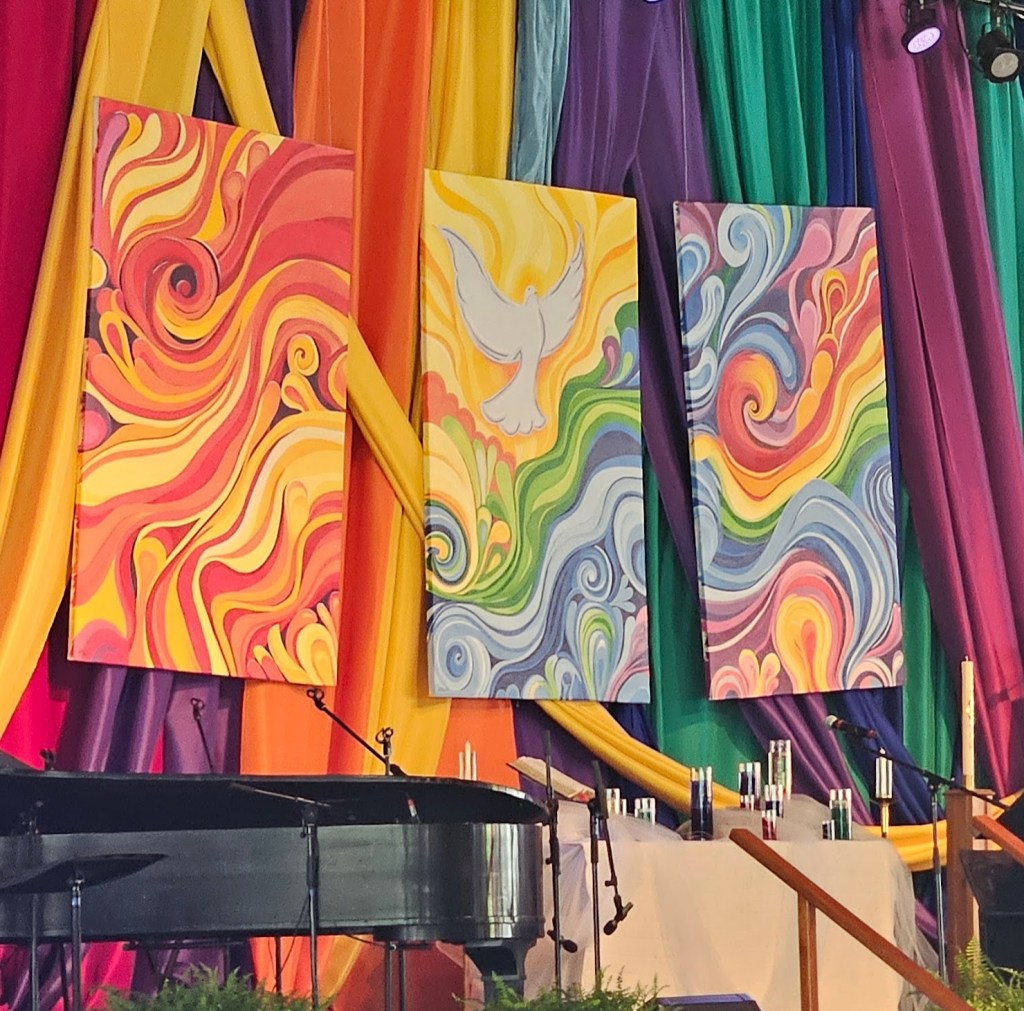
With the closing of my annual conference and most of the United States Annual Conference we can see a few things happening.
1) We are beginning to actually grieve the losses that have taken place. Though some folks are seeking to rush past the losses, the conferences that have been hit hardest by this (losing 20-50% of their churches and clergy) are taking time to actually grieve, even if in spite of leadership that seems to be focusing on unity and staying the course.
2) We are beginning to have conversations about things we have skirted around. Constitutional Amendments and Conference petitions brought to light the realities of white supremacy, colonization, and systemic racism that are still present in both latent and overt ways, and we are ripping of the band-aids and forcing conversations.
3) We are seeing an focus on actual representation of young people, not just lip service. Conferences celebrating having youth and young adults as members to conference, on conference teams, and gathering to serve and act within the conference structures.
4) We are seeing people challenge structures that are no longer or have never been helpful, and who are willing to tell bishops, cabinets, and conference leaders no, change is going to happen, and we will decide, not you.
Some leaders will welcome it, some will resist it, some will prevent it, some will cry foul, but it is happening.
I have said it before, but these next few quadrennia are going to be harder than the the last few for The United Methodist Church. Not because of external or even internal manipulation, but because it is time once again to determine what it means to be the people called Methodist for this age.
-
December 5 – “Even Jesus has Got the Blues”

December 5th’s song is “Even Jesus God the Blues” by Gabe Lee. I’ve been trying to catch Gabe Lee performing, but I’ve only seen him once. He sings some painfully beautiful songs, and this is one of the best.
Easter morning, Tennessee
she come draggin round the bend,
hooked on OP40, barely alive
She come heartbroke and looking for a ride
Cuz All she’d ever known, was the dark side of the road
The call of the wild, rockin roll
Cursin the turnpike she started to sing
make me an angel lord, fly me away
The realities of addiction, pain, isolation, blended with the discomfort of talking about it leads to fear, judgment, and a lack of awareness. These are things we need to talk about. These are things that faith pushes us toward. These are things we need to act on. Yet, as the chorus lets us know, these kind of conversations lead to “Spookin’ the God fearing folks in the pews.” -
December 4 – “Only Love Can Save Us Now”

December 4th brings us Kesha, “Only Love Can Save Us Now.”
I am only sharing the chorus because I don’t want to get demonetized, because she swears a lot in this surprisingly theologically accurate song.
Only love can save us now
Only love can save us now
Only love can save us now
(Oh, Lord, save me, please God, I need your love now)
Only love can save us now
(Oh, Lord, save me, please God, I need your love now)
You can look up the other lyrics that call out the realities of a woman who has been to hell and back and is trying to figure out faith and hope and reality in a post reality world. This song reminds me that baptisms and faith come in many shapes and sizes, and we need to realize that sometimes we need to pray this prayer:
Yeah, Jesus take the wheel, I’m going through phases
The bitch I was, she dead, her grave desecrated.
-
Subscribe
Subscribed
Already have a WordPress.com account? Log in now.
 Jonathan LeMaster-Smith