-
Social Holiness and Social Justice (Methodist Post)
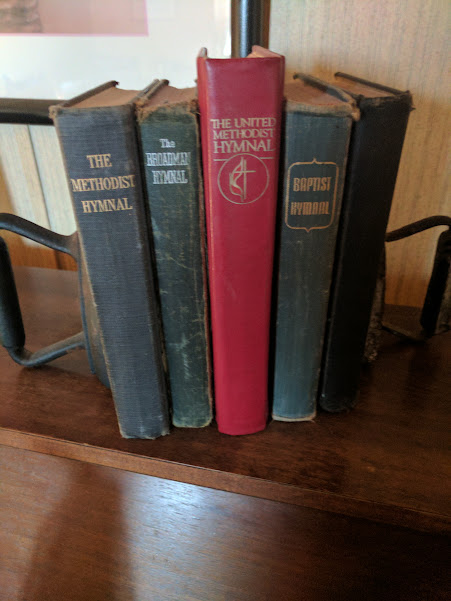
I’ve been seeing this lately in Methodist circles and wanted to point out the flaw in it. Social Holiness is not the same as Social Justice. They can be related, but are not the same, and you harm both by conflating them.
For Wesley, Social Holiness is the practicing of our faith as as community. That is, according to Wesley: “Solitary religion is not to be found there. ‘Holy Solitaries’ is a phrase no more consistent with the gospel than Holy Adulterers. The gospel of Christ knows of no religion, but social; no holiness but social holiness.” What he is getting at is that faith must be practiced in community, this is not optional. You need a community of faith. Whether this is traditional church or another form of community, online or in-person.
Now, he continues, “Faith working by love, is the length and breadth and depth and height of Christian perfection.” To live out our faith is to Love God and Neighbor, and to work for our own salvation and the transformation of the world. Which is, in essence, the work of justice. The goal of Christianity, especially in the Methodist world, is the renewal of humanity in the image of God through salvation, and as a result, the renewal of creation (we can talk about the nuances of that elsewhere).
And, as Christians, we are to do this as a community. We need to work out what this means as a community. To be in community is to acknowledge the humanity of each person, and that they are made in the image of God. It is also to evaluate people less on what they can do for you, if they fit in your value system, or contribute to your sense of “rightness.”Instead to experience life with these people to find the beauty and complexity within them, and how they work within your story.
This leads to an understanding of salvation that allows for difference and complexity and community. This is social holiness, and this leads to justice.
I’ve got more thoughts on this, but I just got back from vacation and there is work to be done elsewhere.
-
Disaffiliation Rumors, Myths, and Opportunities – #11: Three General Conferences?
A version of this post first appeared on my Facebook Page on March 22nd, 2023.
A UM News Article about some Judicial Council rulings. They came down in one decision. The first ruling is that we can have elections if there are vacancies in the delegations for whatever reason.
The second, and more interesting thing is that we must have the postponed General Conference in 2024, another General Conference between January 1, 2025 and December 31, 2027, and then again in 2028. This is because we cannot cancel a General Conference that is mandated by the Discipline. The reference is: ¶ 14. Article II.—The General Conference shall meet once in four years at such time and in such place as shall be determined by the General Conference or by its duly authorized committees. And Judicial Council 1451: “The Constitution further establishes the minimum frequency at which the General Conference must convene, not the actual year when this occurs…No provision in The Discipline authorizes the cancellation of a regular session of General Conference or the annulment of elections properly conducted by an annual conference.”
Therefore, we have to have a General Conference to for the 2024-2027 Quadrennium along with the one from 2020-2023. There are complications to this, including the way we function financially, structurally, and that these events cost an exorbitant amount of money in a time where church finances are struggling. Moreover, any legislation that passes at 2024 that requires a Constitutional amendment may not get fully through the system before another General Conference and throw legislative discussions awry. Although, I would hope we would plan to make sure it makes it through. The same is true for the this next one and the 2028 scheduled one, unless from this point forward we move our General Conferences to Winter Olympic years and not Summer Olympic years.
[Side note: I propose we call the General Conferences by their number, not their year, like the Super Bowl: so this would be either (based on The United Methodist Church) either the 14th or 15th depending on how we would consider the 2019 special session.]
What does this mean for the local church: mostly that the rules might change every two years for a bit, the structure of the greater church might change in quick succession, and it may impact apportionments (how, I cannot say), resources, and even clergy (as we define ministry/ordination more fully for the current world). I think this might be a good thing, in that we, as a denomination have to make some tough decisions, and waiting four years to make decisions based on previous decisions feels like too long. A two year window allows for us to get stuff rolling and then add to it in quick succession. Which may make for a richer more robust doctrine and polity. So, there are ups and down. And, in the end, General Conference could pass a provision to change the Constitution to allow them to delay or cancel a General Conference.
We just have to actually meet to do it.
-
Disaffiliation Rumors, Myths, and Opportunities – #10: The Western North Carolina Lawsuit
This originally appeared on my Facebook page on March 21, 2023
The lawsuit filed by several churches in the Western North Carolina Conference to sue the conference and Bishop has been dismissed. It has been dismissed, from my understanding, on grounds that the UMC has it’s own mechanism for handling the issues at play and that there is legal precedent that civil courts cannot become involved in ecclesiastical matters. What this means: this is a matter of church and state separation and First Amendment issues (the government cannot interfere in church matters in most cases, especially in ways that impede upon a religious groups modes of practice and self-governing). And also, we have our own court structure for church matters (the Judicial Council).
My interpretation of what is happening with this is the court telling the churches, you can solve this yourself. he Trust Clause has existed for nearly 300 years. While local churches may own their property, they own them in trust for The UMC (particularly the Annual Conferences as entities) and for the glory of God. Even if your deed does not say this, it is true based on the Book of Discipline which states that if you benefit from any UMC offerings including using the name “United Methodist,” receiving a pastor, receiving financial services, sending members to annual conference, then you are agreeing to this.
It’s a terms of service situation. It’s not the denominations fault you didn’t read the rules. We have granted these churches a means of exiting this clause. And this conference is doing so in a very gracious way. I will continue to defend the trust clause as part of Methodism, because it is less a rule, and more an opportunity. These churches wishing to exit the denomination through this lawsuit are not acting the spirit of the Methodist tradition.
They care more about their property than the tradition and spirit of a denomination set on building the Kingdom of God and offering Christ to the world. This denomination is not holding you hostage. You just don’t want to follow the steps we created for you to leave. My whole thing continues to be that you shouldn’t leave, and we can work on figuring out how to be together, but if you want to, then follow the guidelines set forth by the people YOU sent to General Conference.
-
Disaffiliation Rumors, Myths, and Opportunities – #9: Eurasia
A version of this post originally appeared on my Facebook Page on March 21, 2023.
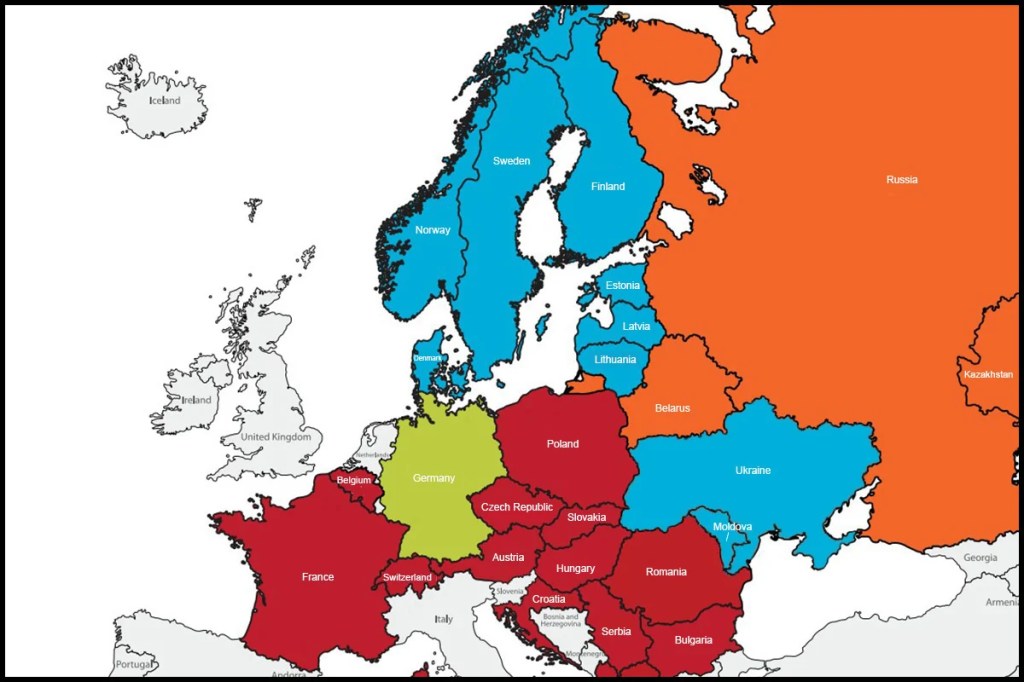
However, if you recall, there was a Judicial Council ruling that stated that Annual Conferences could not leave as a whole, it had to be individual churches. But, this ruling only applied to United States Churches. This is because we allow for Central Conferences (non-US collections of annual conferences similar to Jurisdictions) to change their relationship with the denomination.
We have had central and annual conferences join and leave the denomination over the course of our 50+ year history. This was a gathering of the Northern Europe and Eurasia Central Conference.
From the Article:
“The delegates voted for the church regional bodies of the Central Russia, the Northwest Russia and Belarus Provisional, the Eastern Russia and Central Asia Provisional, and the South Russia Provisional annual conferences (as well as the Estonia district under a different provision) to become autonomous.”
Some of the churches within these Annual Conferences plan on staying, and wanted the right to set their own standards for ordination and marriage, but this was voted down, as we are connectional denomination. This process is not complete, as General Conference must approve this departure (similar to who annual conferences have to approve disaffiliation), except for Estonia (which has it’s own set of rules more like our disaffiliation process in the US). Incidentally, the United Methodist News article says something that I have been suggesting for years, “In many ways, the March 18 votes are emblematic of growing strains in the wider world and the wider denomination.”
.We must, as a denomination, begin to reckon with the reality of a global church that is richly diverse but reeling from colonization and globalization. The issues of gender and sexuality are the tip of the iceberg. The reality is, we still centralize our money, resources, offices, and, most importantly/dangerously, our worldview in the United States. If we cannot begin to see the importance of decentralizing our understanding, we won’t be able to face the realities of a mid-twenty-first century landscape.
It feels like we’re operating under a mid-20th century landscape, and a lot has happened since 1968 when we were founded. The US church is struggling for a lot of different reasons, and it can’t seem to see that Christianity is growing in the world, because it is so focused on itself. As much as I want rural churches at the forefront of the conversation, I also want us to know that the church is not just in the USA.
-
Bless this Land
Bless this land to which we’re bound
By gravity of joyful sound
Feed the hearth and feed the herd
Hope must stand on every word
-Emily Scott Robinson “Men and Moons”
This song lyric spoke to me as it closed out the concert I attended last Friday. Emily Scott Robinson wrote the song “Men and Moons” as an epilogue to Macbeth, where the women in the story speak to reality that as the seasons come, so does more war, heartbreak, and pain, but also, hope. I think the reality of being bound to the land is something we often forget about in rural communities.Sure people could leave, but it’s not just gravity that binds us to the land we love. Our sense of being and existence is connected to place. So, to ask God to bless this land is to ask God to bless us, not just me, but everyone in this land. All too often theological language is escapist or journey oriented. Whether to heaven, to new opportunities, or to new realities that don’t take into consideration the connections to space.
Both evangelical theology and progressive liberative theology tend to downplay place, even the post-millenials. There is a twinkle of it in John Wesley and in the feminist/womanist writers like bell hooks. But what I think we need is a language of salvation and hope that says it’s not just about me, it is about here.
I know many people who are spiritually connected to the land they have known their entire life. So language of journey and pilgrimage often feel as if they must abandon their place for places untold. We need richer theological language that involves something more than tired agricultural language, but that roots itself in this language. Something more than “making do” or “getting by.” A language that doesn’t romanticize or stigmatize place, but lifts it up as home and as the future.
For me, it feels like a reclaiming of some language is needed, but I can’t put my finger on it.Until I can, let these lyrics be our prayer.
-
Bread Ties and Homemade Banners

In my time off this weekend, we went to the Mint Museum in Charlotte. It was there I came across a piece of art made from bread ties. It reminded me of my love for pop art, found object, and even some of Dada, because it uses the things we see each day and lifts them up to art.
Warhol is still my favorite. He speaks to the reality of his childhood life. Painting the things he saw in everyday life. A soup can. A Brillo box. A picture of Elvis or Marilyn. It is also the reminder that people get to decide what their art is, what their beauty is, what their faith is.
I see pastors regularly go into a church and say: that’s tacky, that’s ugly, that’s why no one comes to this church! We need to clean it up, get rid of this, put some “real” art or some “real” music in. Instead of deciding for a congregation (if you read my posts regularly you know what I’m going to say) let them tell you about their space. Learn that that banner that you don’t like because the red is faded and the images are not cut out well was made by a person who was dying of cancer. Find out that the “out of style” baptismal font was handmade by the confirmation class thirty years ago. Appreciate that the images of Christ on the way that you want to take down came back from war with the body of a church member who didn’t.
You think greased pig chases or fish fries are not what the church should be doing? They’re doing it.You don’t like kitschy crochet blankets and silk flowers on your altar? And? They do.
The colonizing tendency to try to dictate what art and beauty are for everyone and to create a standard of beauty (or faith, or hope, or ministry) when one ends up in a small rural church that decorates with animal fur and pictures of their veterans is not helpful and dangerous to ministry. If anything, Jesus in the gospels allows rural communities permission to live their faith on their own terms and not to listen to metropolitan elites. Faith, beauty, and ministry emerge out of community, culture, and connection to the divine and in their context.
Sure, add some of your personality to it, but don’t wage war on your church because you *need* the “nicest,” “newest,” and “most popular” art. Plus, who wants a church that is not full of handmade arts and crafts made by members past and present as expressions of their faith and life experiences?
-
Rural recognizes Rural
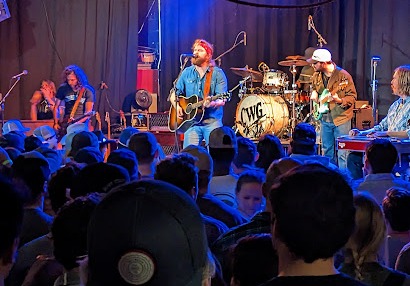
(This post originally appeared on my Facebook – facebook.com/j.lemastersmith on February 16, 2023)
A friend and I went to a concert last night. It was a smaller venue, but it was a sold out crowd. The opener was from Oklahoma, and the main performer, Charles Wesley Godwin was from West Virginia.
The feeling I got was that everyone in that room last night was from Oklahoma when the opener played, and then from West Virginia when Godwin played. What I mean by that is that country music has the ability to help us recognize ourself in the music. I’m from neither of those places, but I am from a rural space that deals with similar issues, has similar experiences, and though one is plains and one is mountain, the feeling was still there.
Rural recognizes rural. We have durable issues and experiences that cross geography. Even with my students on other continents, we recognize the similarities in our experience. However, we never downplay our rich unique differences. Even in the same county, the rural experience might be different. And while I know other music does this for other groups, but in a lot of ways, country helps a people who feel forgotten (literally labeled as non-metro-we don’t use the word rural in many official documents-which is read as “not good enough” or “leftovers” by rural people) feel like they can connect with one another through these songs.
-
Missions in the Rural Church
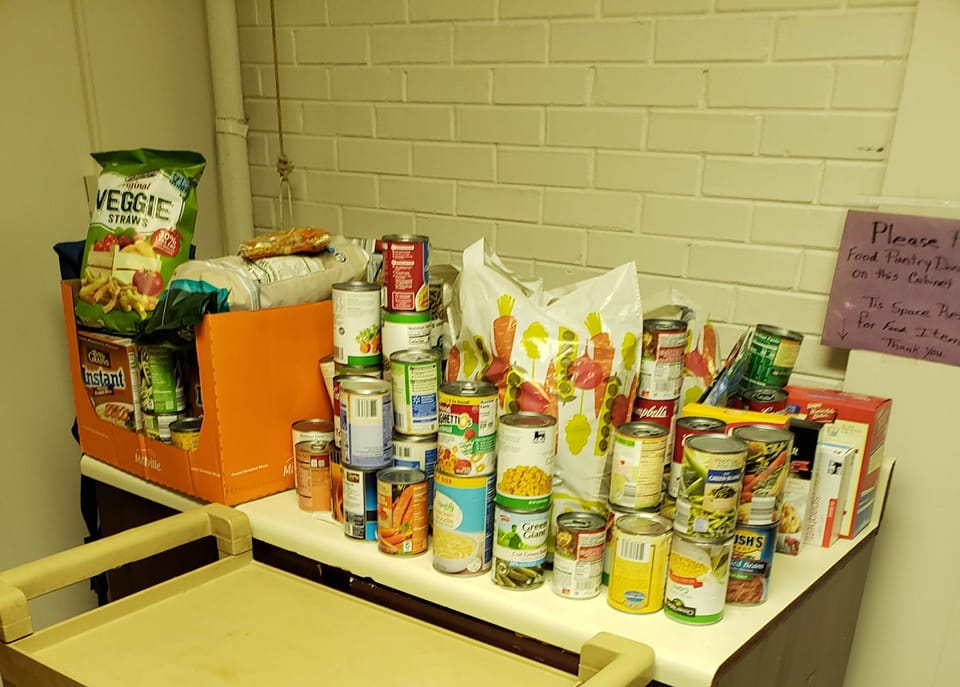
One rural reality that seems to be overlooked is mission and service. Often, denominational bodies continue to push mission as this singular thing a church does. For a while it was going on a mission trip, and then “big event” missions, and then it is regular service as a group in the community. However, if you just ask people in your congregations, they are likely already doing service and missions. They may just not call it that.
Many formally volunteer at local hunger ministries, elementary schools, meals on wheels, the senior center, the hospital or elsewhere. Many others are just apt to respond to a need. They help a elderly neighbor with yardwork, sit with someone who has been sick, share from their garden, farm, or hunts and so much more. Then, there are the special offerings and collections that happen.
While we want people to be in service, money and specific asks are often more crucial. An agency or person may not need twenty people, but high quality paper plates and cash to bulk buy food are desperately needed. On top of that, churches are regularly coordinating things like Blood Drives, laundry days, book and reading programs, and community events that they may not call a mission.
We have to better figure out how to identify and lift up the everyday service and mission, because regularly the denominational language comes across as “this is the only way to do service and your mission is not good enough.” Moreover, the word “mission” is still, in most spaces seen as a “go do elsewhere” and if it’s local, it’s service or just “doing for people,” “helping people,” or “helping the community.”
We need to let people define their realities regardless of what organizations and agencies want to prescribe. People in rural areas are imitating Christ, regardless of whether it meets specific guidelines.
-
Hospitals and the Rural Community

(An older version of this post first appeared on my Facebook – facebook.com/j.lemastersmith on March 2, 2021)
The combination of my current reading, my current experiences, and the articles talking about the pandemic impact on rural healthcare is weighing on me today. Rural healthcare systems are already strained and many communities have lost hospitals and specialists. These institutions provide essential care, serve as economic anchors, and serve a source of pride for the communities. However, the Daily Yonder suggests 450 rural hospitals are at risk of closing (200 are high risk). In fact, 19 closed during the pandemic, leaving their communities to travel further or forgo critical and advanced care.This is not an easy answer post. But I have some thoughts. Groups are asking for rural healthcare aid to be included in the rescue plan working its way through Congress. This, however, may only delay the inevitable. The other thing I hear on occasions is that churches should step up and help financially. What churches? Most rural churches are small, financially strapped (just like hospitals) and often do not have the skills, resources, or leadership to offer help.
As I move through this sense of anxiety, knowing that I have family, friends, and church members traveling hours to hospitals because their local hospital closed, has reduced services, or is understaffed, I know I can’t build a hospital. I also know the answer that a bunch of people will throw (MOVE TO THE CITY) is not and should not be the answer.
However, I do want to think that we can come up with ideas. But the current Christian formation model isn’t preparing churches for that. The Christian formation in most of our rural churches is still otherworldy and pietistic. Thus, I’m doing my work to help shift the formation format so that new futures can emerge. I think the church could lead the way in terms of improving access in communities that have hospitals. Childcare, transport, health education, etc. can be a goal. I can also see the church, if it organizes well, offering some health care through parish/community health nurses, but again finances and goals.
The first thing I can see is churches leaning into what the rural community is already doing, and making it their ministry and mission. I think of providing meals, transportation, watching the kids, and the animals. I also think being able to develop programs to help people modify homes for returning home, receiving at home care, and moving around in the new reality. Things like building the wheelchair ramps, installing grab bars, reworking the furniture for a wheelchair.
I also think using church space to offer care. It may not be emergency or surgical care, but preventative care and acute care (including mental health) could easily be offered in a local church space. The church can and should be able to do this. I think we just need to empower them to see the latent hope around them. The things they already do. And to tie it to the ministry and mission of the church.
I think a good starting point is scripture. The story from Mark 2, of Jesus healing the paralytic is a good start. Capernaum is a rural town in the north of Judea. Four friends are trying to get their paralyzed companion to Jesus, but the crowd is too dense. This doesn’t deter them, they will do anything to help heal their friend. They tear a hole in the roof and lower him down. Jesus sees their faith, and heals the man.
We have this faith. Faith that will do anything to heal the people and our community. We just need to seize it.
Ideas? -
Disaffiliation Rumors, Myths, and Opportunities – #8: The Lewis Center Report

Image from the Article There is a report going around from the Lewis Center ( a church and ministry research and leadership development center at Wesley Theological Seminary). It gives us a quantitative look at some of the aspects of the disaffiliating churches so far.
Here is a concise summary from the report (full report linked here):
The areas in which disaffiliating churches appear to vary most prominently from United Methodist churches as a whole include:
• Disaffiliating churches are less likely to have an active elder as pastor.
• Disaffiliating churches are more likely to have a male pastor.
• Disaffiliating churches overwhelmingly have a majority white membership.
• Disaffiliating churches are overwhelmingly in the South.
• Disaffiliating churches are in less heavily populated counties.
[End Quote]
The reality is, this does not tell us a whole lot, but it can lead to jumping to conclusions. This is particular true for the rural (less heavily populated counties is code for rural, or at the smaller urbanized areas) and non-elder. There are also things to be said about region, sex, and gender, but I’ll let other people deal with that.
What I do think we can learn from this, at least in terms of rural and non-elder, is who we need to resource, and what matters to the image of the denomination. What we can do to respond instead of slandering and shaming various demographic groups in a report, is to figure out how to better support, empower, and connect with these churches. Yes, some of it will come down to theological and political stance regarding the issues of human sexuality, but honestly, more of it comes down to feeling like they are supported by the denomination and are part of the process.
So with these numbers, I don’t need to see you talking about rednecks, dying churches, and uneducated clergy. I want to see us working to come up with ways to offer support, connection, education, for our rural churches and non-elder clergy, who both feel like second-class citizens in the system.
We have the creativity, the resources, and the money to do this, we just have to make it a priority.
-
Subscribe
Subscribed
Already have a WordPress.com account? Log in now.
 Jonathan LeMaster-Smith